
How To Install Gprof On Ubuntu Desktop Guide
Linux kernel. The steps to install the change root are quite similar to the change root that was installed earlier in this chapter for ARM, except applied to i. Copy the static QEMU emulator into the change root from your “regular” root and then change the root, as you did for the armhf change root. Finally, install Git on the i. This guide takes you from a clean Ubuntu install to a working installation of OpenCV 2.4.1. OzBotz Tips, Tricks. How To Install Gprof On Ubuntu Iso File. Now install Ubuntu following the directions above. As we said above, at the end you might need to force a restart from Virtualbox if the Restart Now option gives and error. Do that by selection the virtual machine, right-click that, and select Settings/Close/Power Off then Start after it powers off. How To Install Gprof On Ubuntu Live Cd. Move down to the second step and select the Ubuntu ISO you installed as the source you. Next page: Install Ubuntu from.
Boot From a Live USB Drive or CD One of the easiest ways to get started with Ubuntu is by creating a live USB or CD drive. After you place Ubuntu on the drive, you can insert your USB stick, CD, or DVD into any computer you come across and restart the computer. The computer will boot from the removable media you provided and you’ll be able to use Ubuntu without making any changes to the computer’s hard drive. To create a Ubuntu USB drive or CD, download the latest Ubuntu disc image from.
RELATED: Linux Users Have a Choice: 8 Linux Desktop Environments. To install a different desktop environment, you’ll just need to open your Linux distribution’s package manager and install the appropriate package. This will be similar on al distributions, but we’ll use Ubuntu 14.04 and Linux Mint 17 as examples here. For example, let’s say you wanted to install another desktop environment on Ubuntu.
The trick is to use the help NetInstall Mikrotik software. So hopefully, the installation file that is planted on USB FlashDisk can be run on PC / Laptop that supports booting via USB Drive. The form so kind of Live CD Mikrotik that can be used without the need to install many times, just once installation. So hopefully, the installation file that is planted on USB Stick can be run on PC / Laptop that support booting via USB Drive. The form so kind of Live CD Mikrotik that can be used without the need to install many times, just once installation. Okay we just get started! Tutorial How to Install Mikrotik on USB Stick. Install mikrotik via usb flash disk.
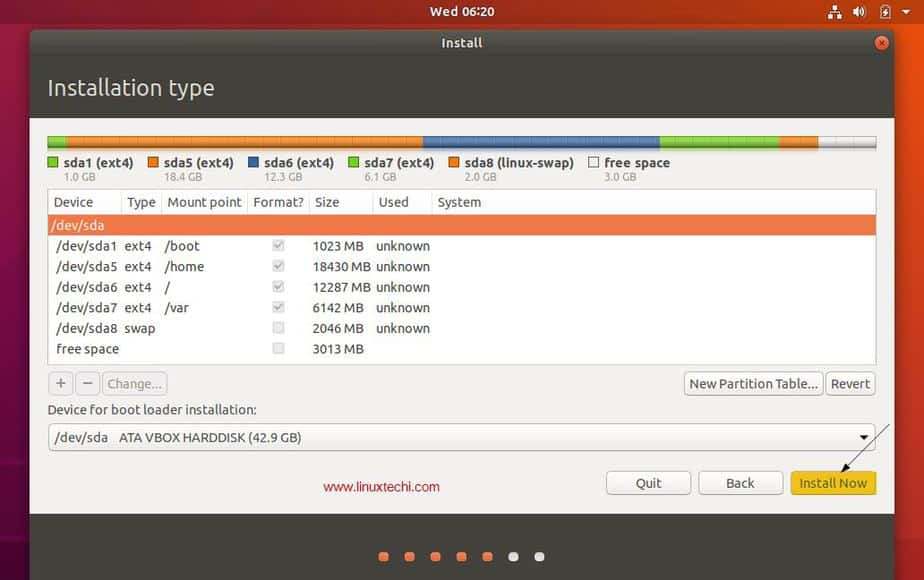
Or burn the downloaded ISO image to a disc. (On Windows 7, you can right-click an ISO file and select Burn disc image to burn the ISO file without installing any other software.) Restart your computer from the removable media you provided and select the Try Ubuntu option. Install Ubuntu On Windows With Wubi Traditionally, installing Linux on a hard drive has been daunting for new users. It involves resizing existing partitions to make space for the new Linux operating system.
If you decide you don’t want Linux later, you’ll have to delete the new partitions, resize your old partitions to reclaim the space, and repair your Windows bootloader. If you just want to try Ubuntu, there’s a better way. Systematic Methods Of Chemical Process Design Biegler Pdf Printer on this page. Jaco Pastorius Bass Method Pdf Writer.
You can install Ubuntu on Windows with. Wubi runs like any other application installer and installs Ubuntu to a file on your Windows partition. When you reboot your computer, you’ll have the option to boot into Ubuntu or Windows. When you boot into Ubuntu, Ubuntu will run as if it were installed normally on your hard drive, although it will actually be using a file on your Windows partition as its disk. Best of all, if you decide you don’t like Ubuntu, you can uninstall it from the Windows control panel. No messing with partitions required. This will result in a performance penalty when writing to or reading from the hard disk, however.
If you want to use Ubuntu on a long-term basis with maximum performance, you should install it on your computer in a dual-boot configuration (see below). Run Ubuntu In a Virtual Machine Like other operating systems, Ubuntu can be run in a virtual machine on your computer. The virtual machine runs Ubuntu in a window on your existing Windows or Mac desktop. You’ll be able to try Linux without even restarting your computer, although virtual machines are slower than running the operating system on your computer itself.
The Ubuntu desktop’s 3D effects, in particular, won’t perform very well in a virtual machine, while they should perform smoothly on most computers. To create a Ubuntu virtual machine, download and install. Create a new virtual machine, select the Ubuntu operating system, and provide the ISO file you downloaded from Ubuntu’s website when prompted. Go through the installation process in the virtual machine as if you were installing Ubuntu on a real computer. Dual-Boot Ubuntu If you want to use Linux, but still want to leave Windows installed on your computer, you can install Ubuntu in a dual-boot configuration.